
How To Make Cast Rubber Block Strakes for Traction Engines
Since I had not heard anything from Teera Borigaan about them supplying Cast Rubber Block Strakes for my 6″ Little Samson Traction Engine following our meeting to discuss their Quotation I decided to go the DIY route and have a go at making a mould and casting the rubber blocks myself in my home workshop here in Pakchong, Thailand – the Home of ModelEngineeringInThailand.
3D CAD Drawing for Cast Rubber Block Strakes
Starting with the 3D CAD drawing beautifully made by Teera, as shown below, I made up a steel mould in which to cast the blocks for my 6″ Little Samson Traction Engine back wheel strakes.
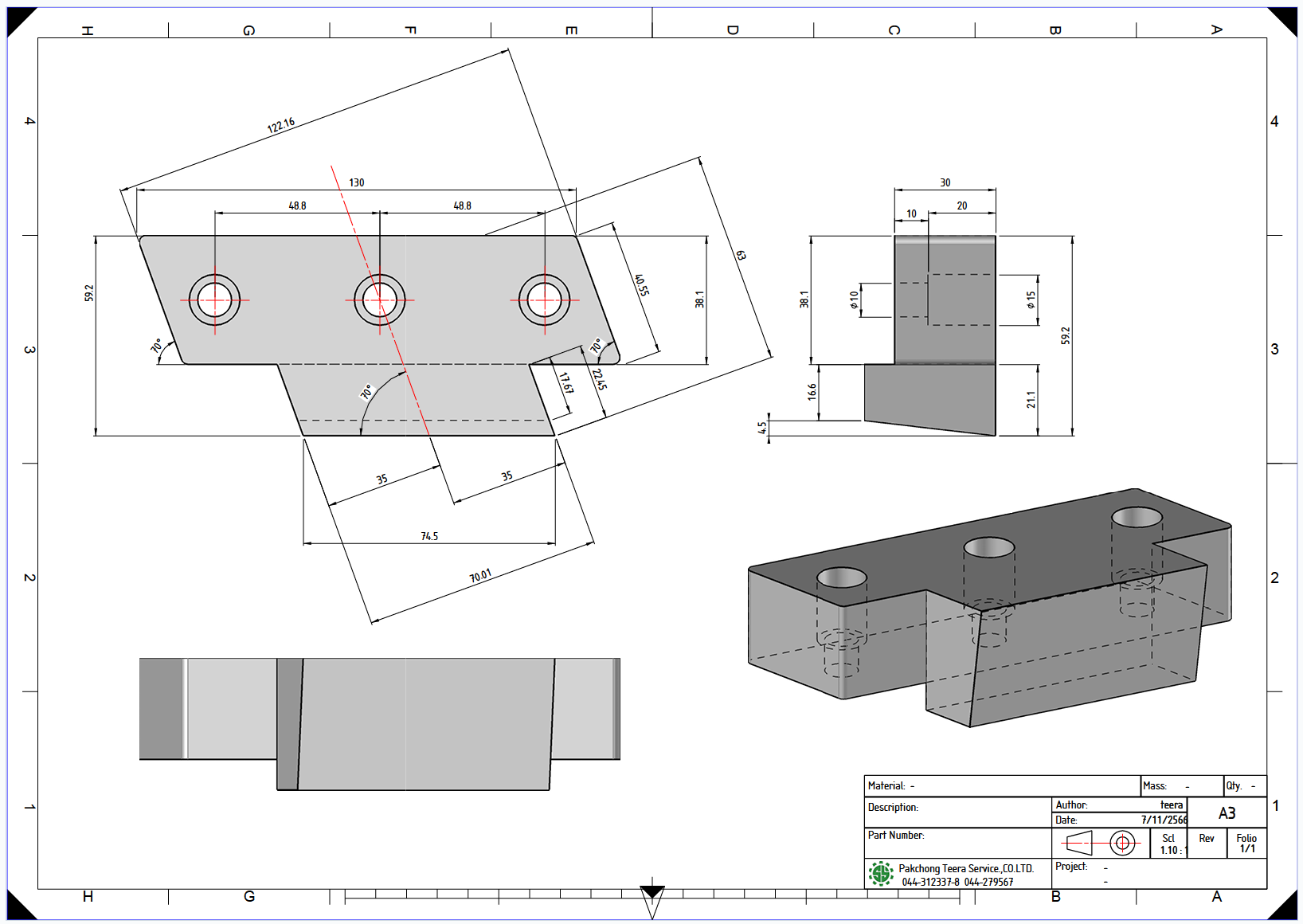
Teera 3D CAD Drawing LSTE Rubber Block Mould
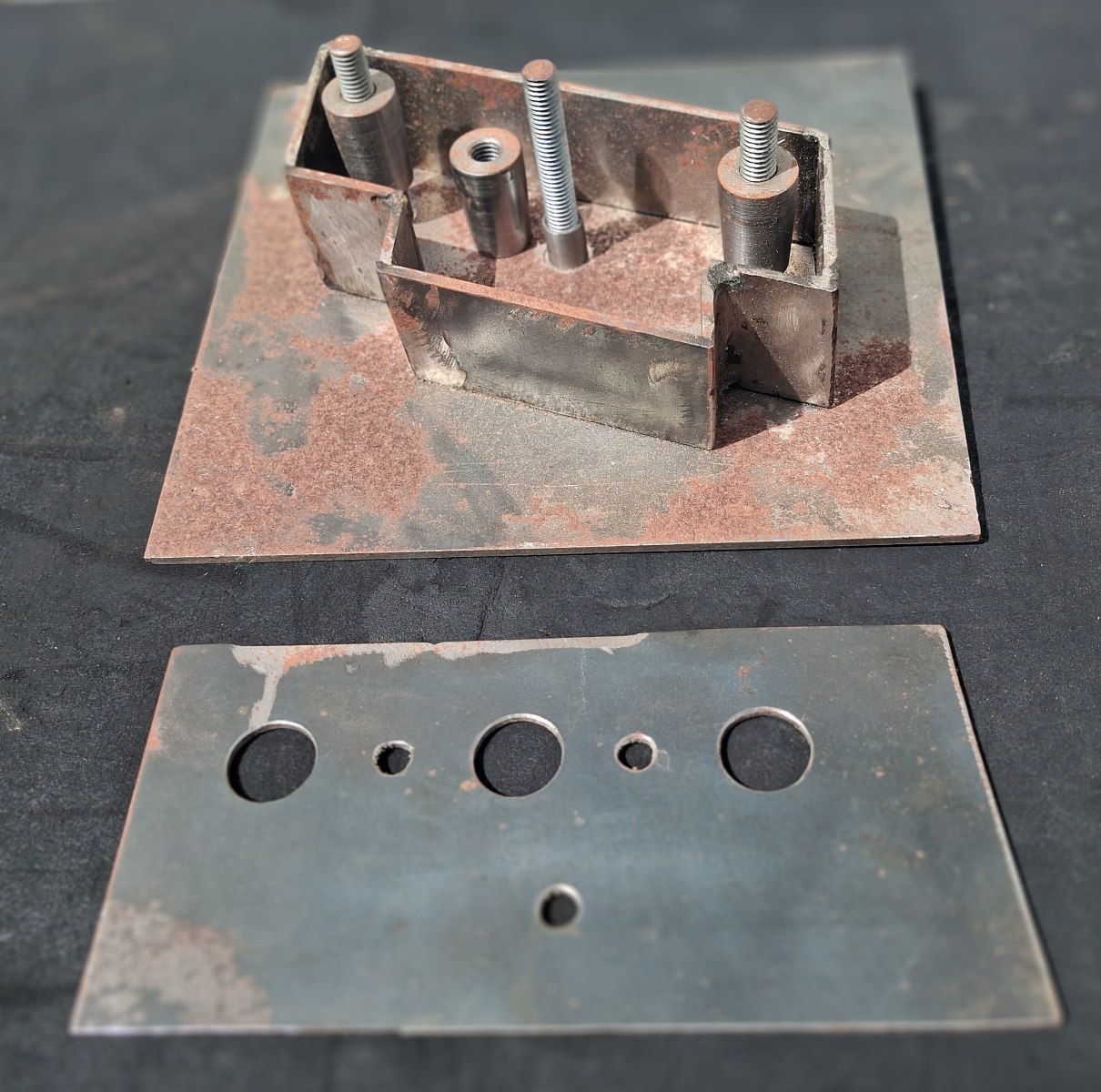
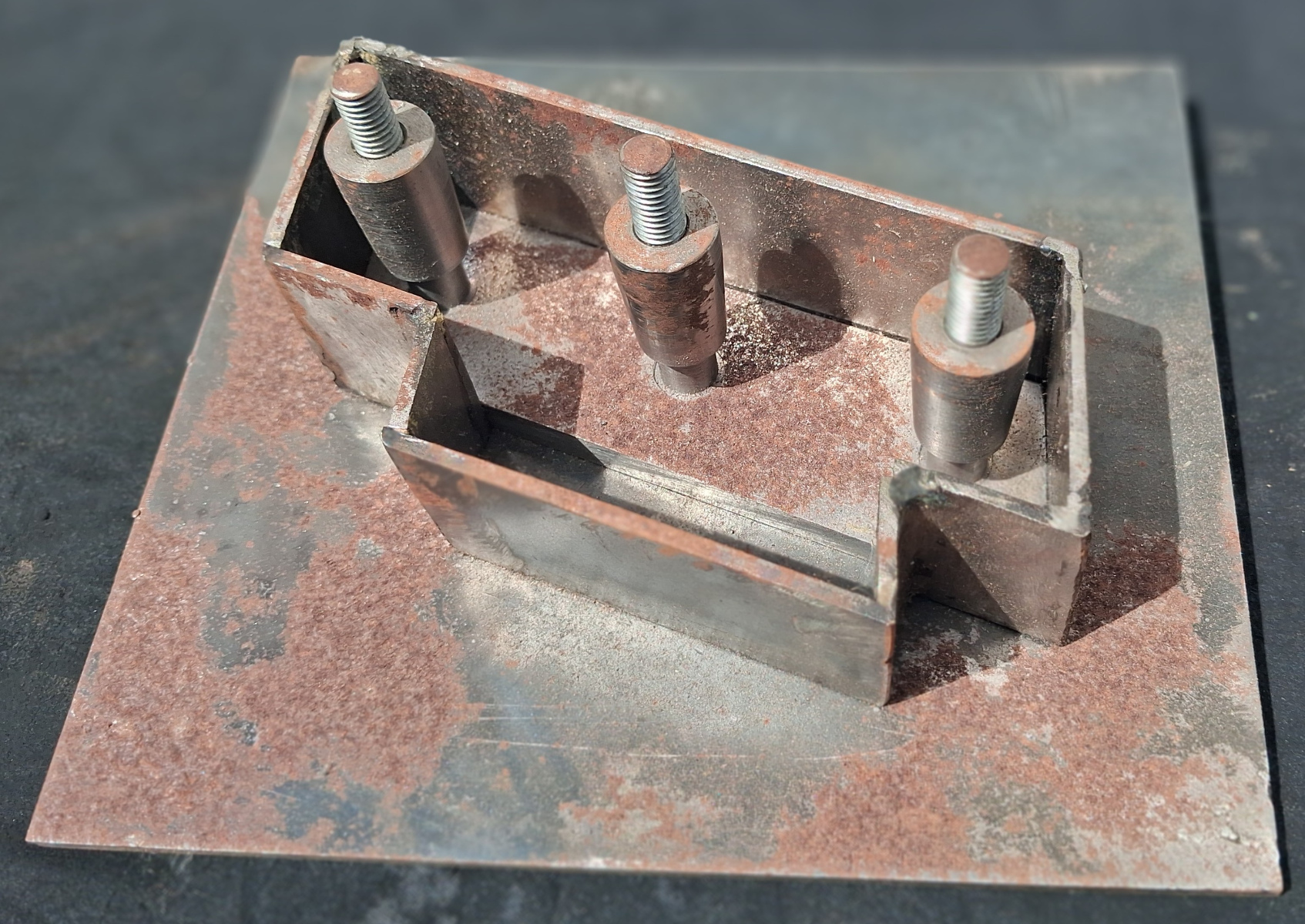
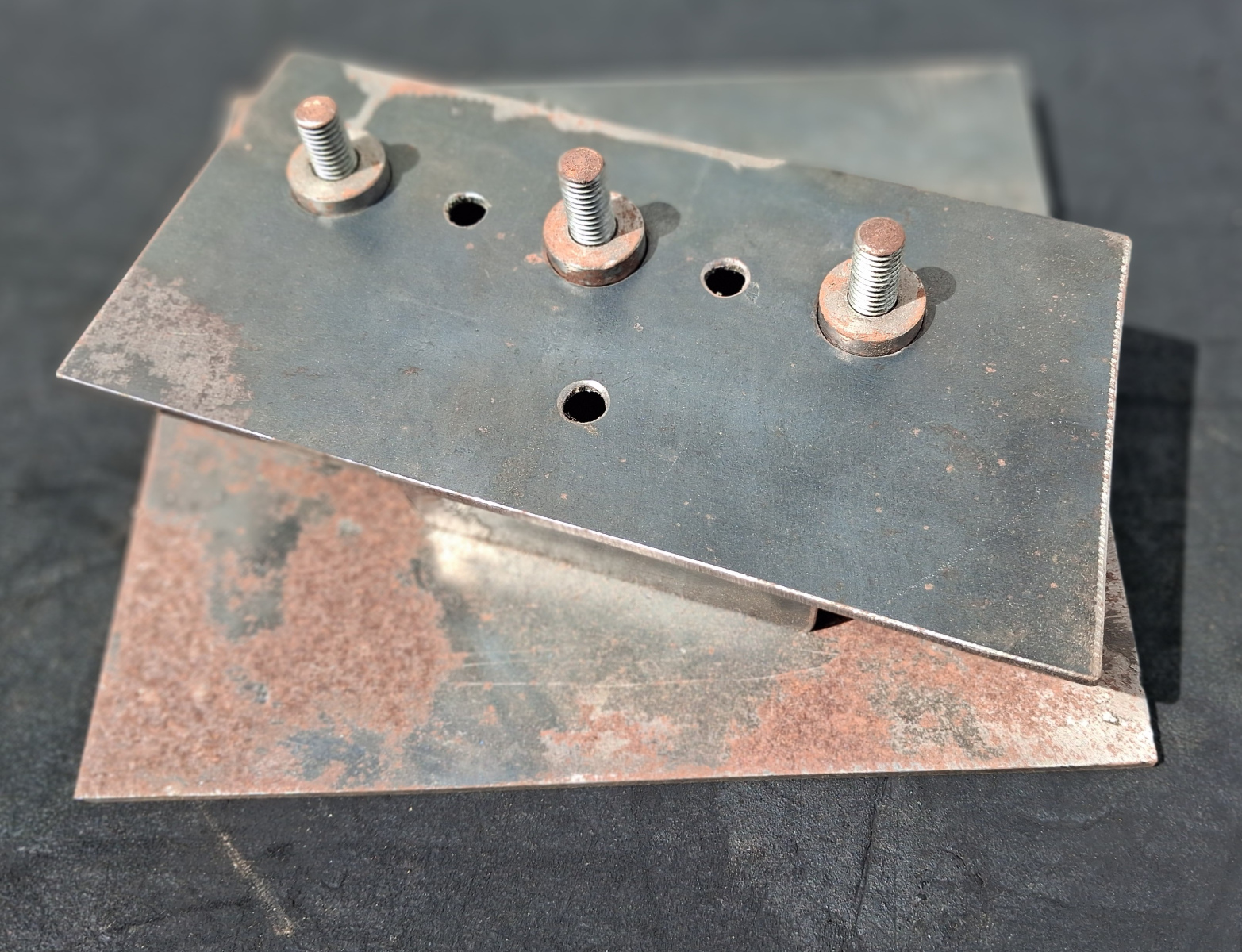
Photos of the Steel Mould
Here are a few photos of the finished steel mould:
| To view images below, just click on the image. Then browse through the Gallery using the < and > arrows. Escape to exit. |
And here are some photos of the cast blocks:
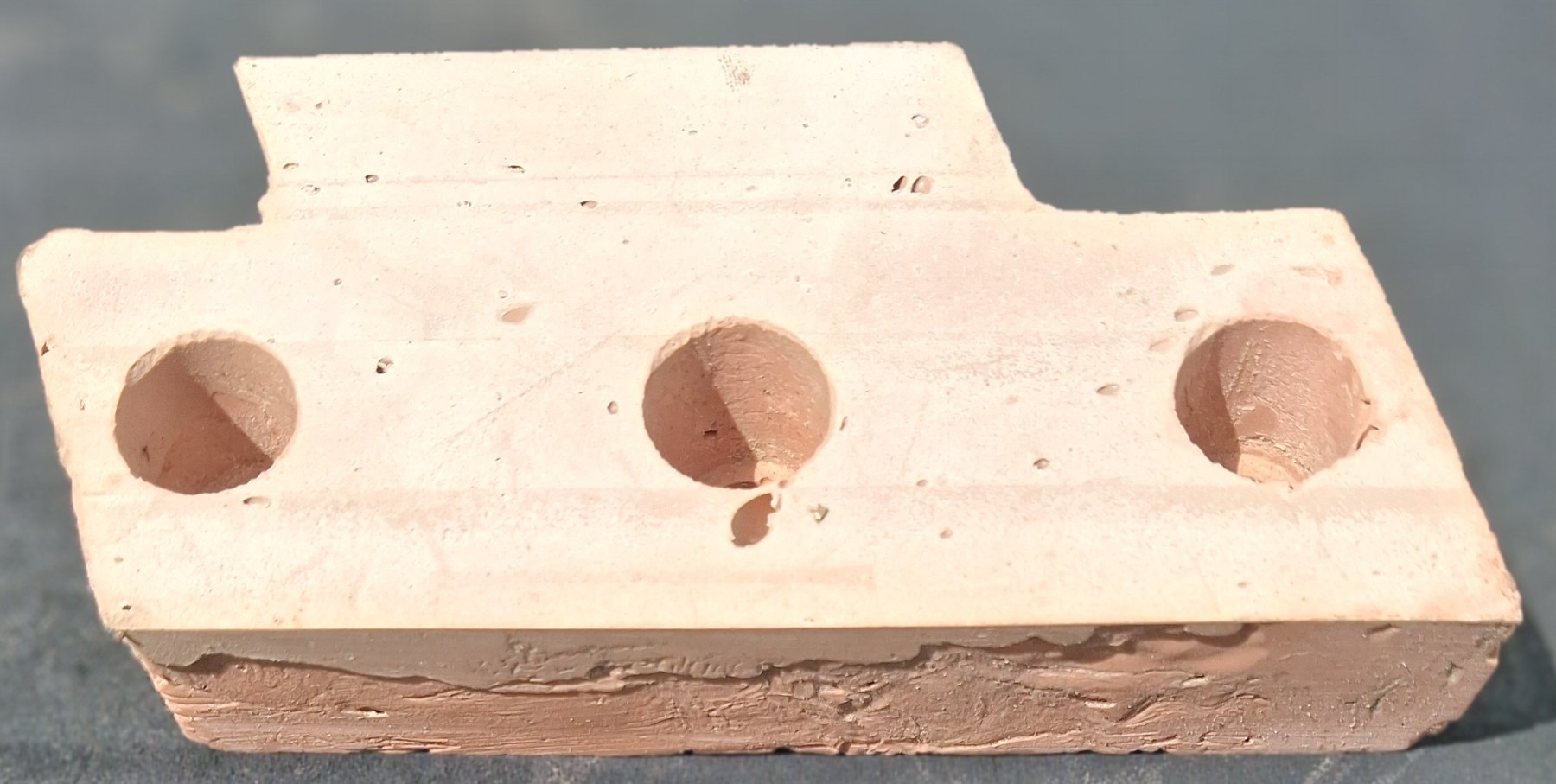
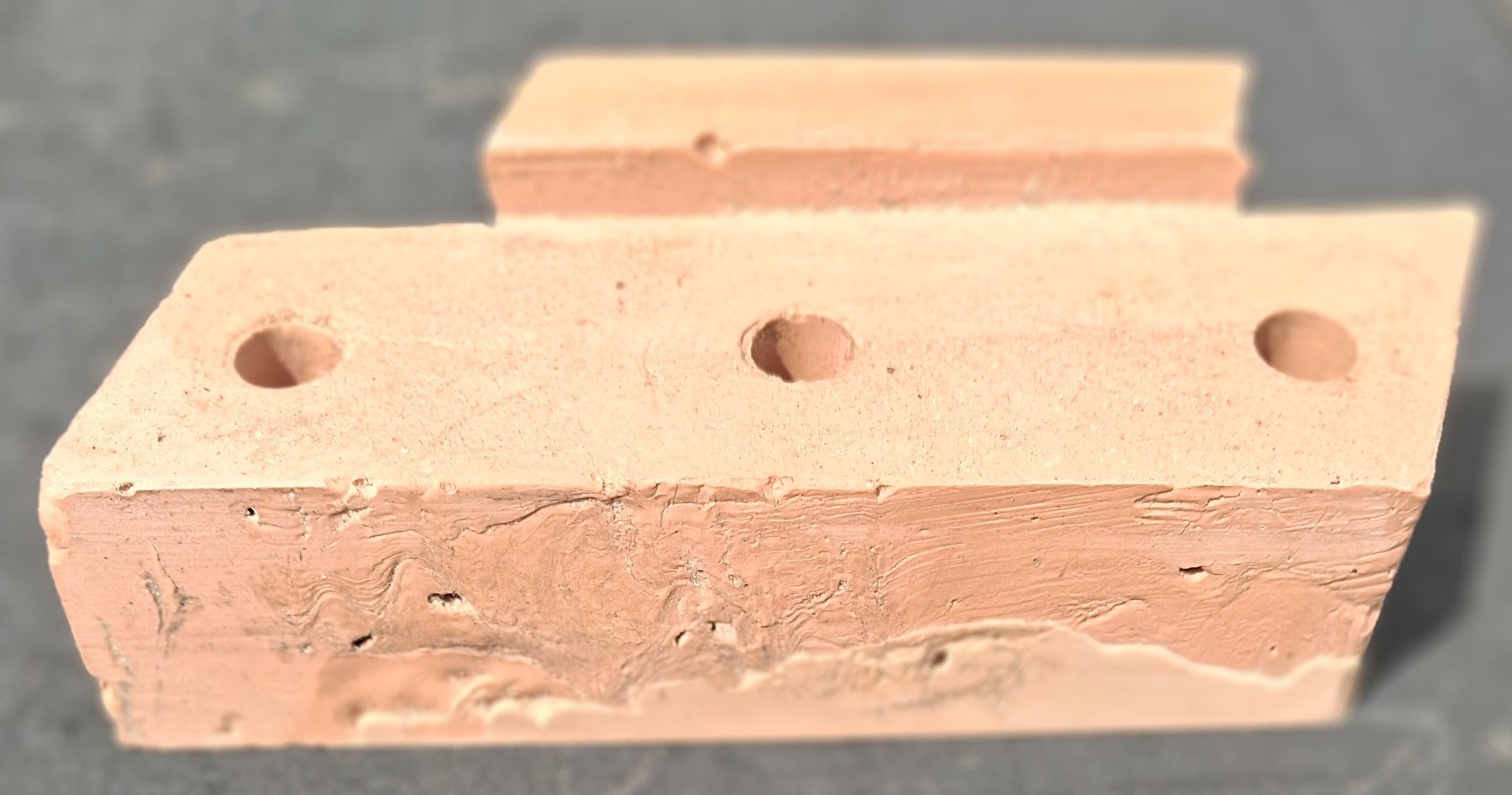
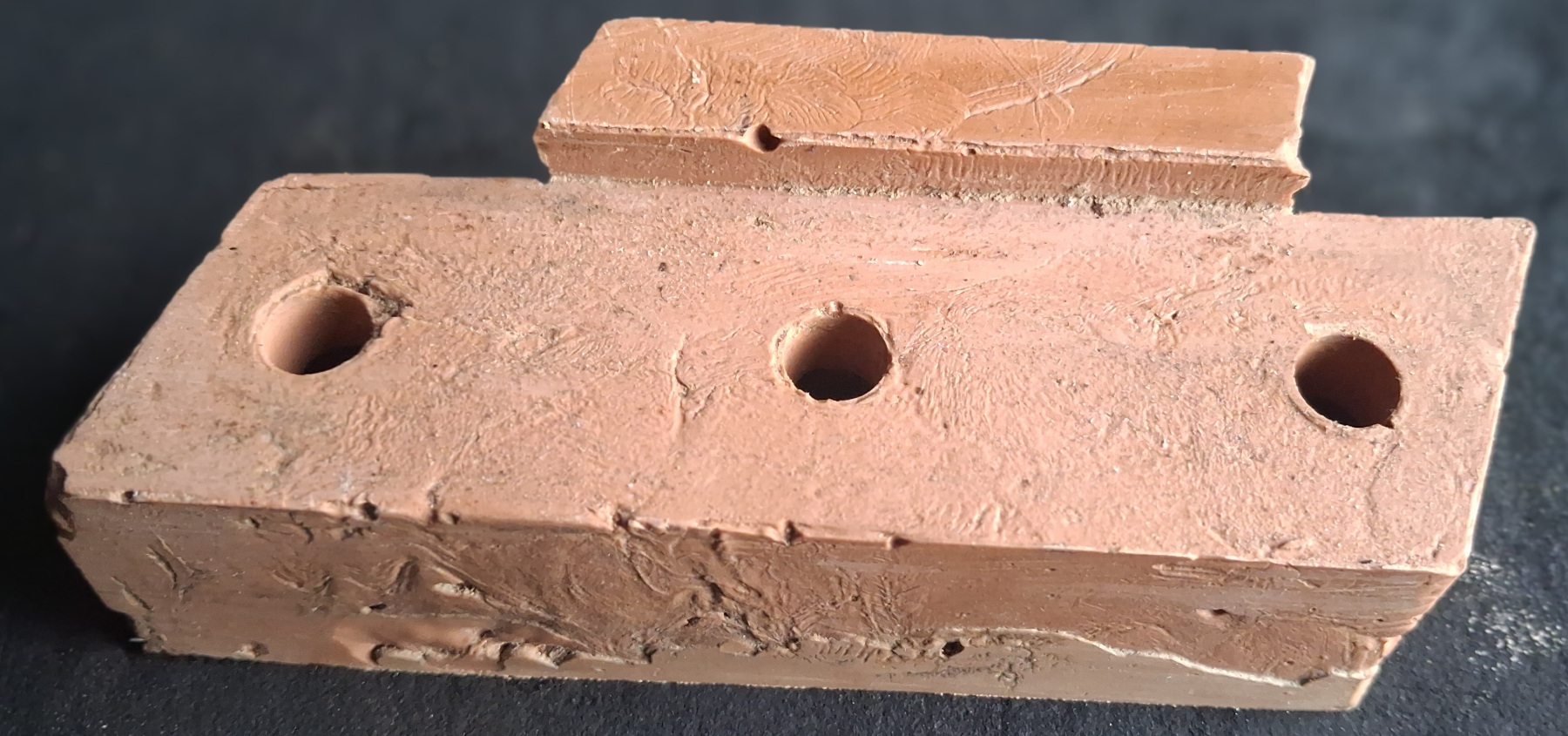
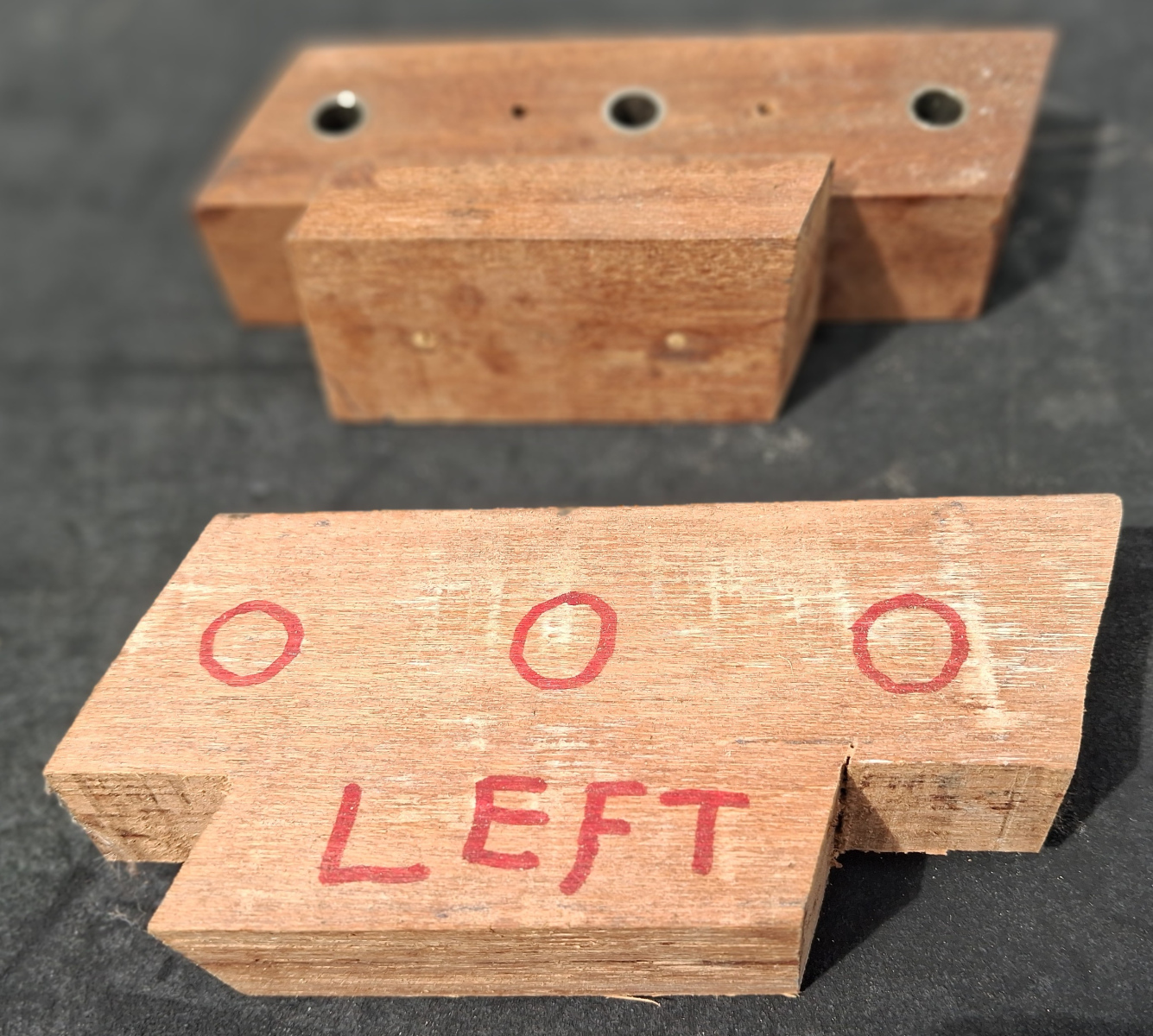
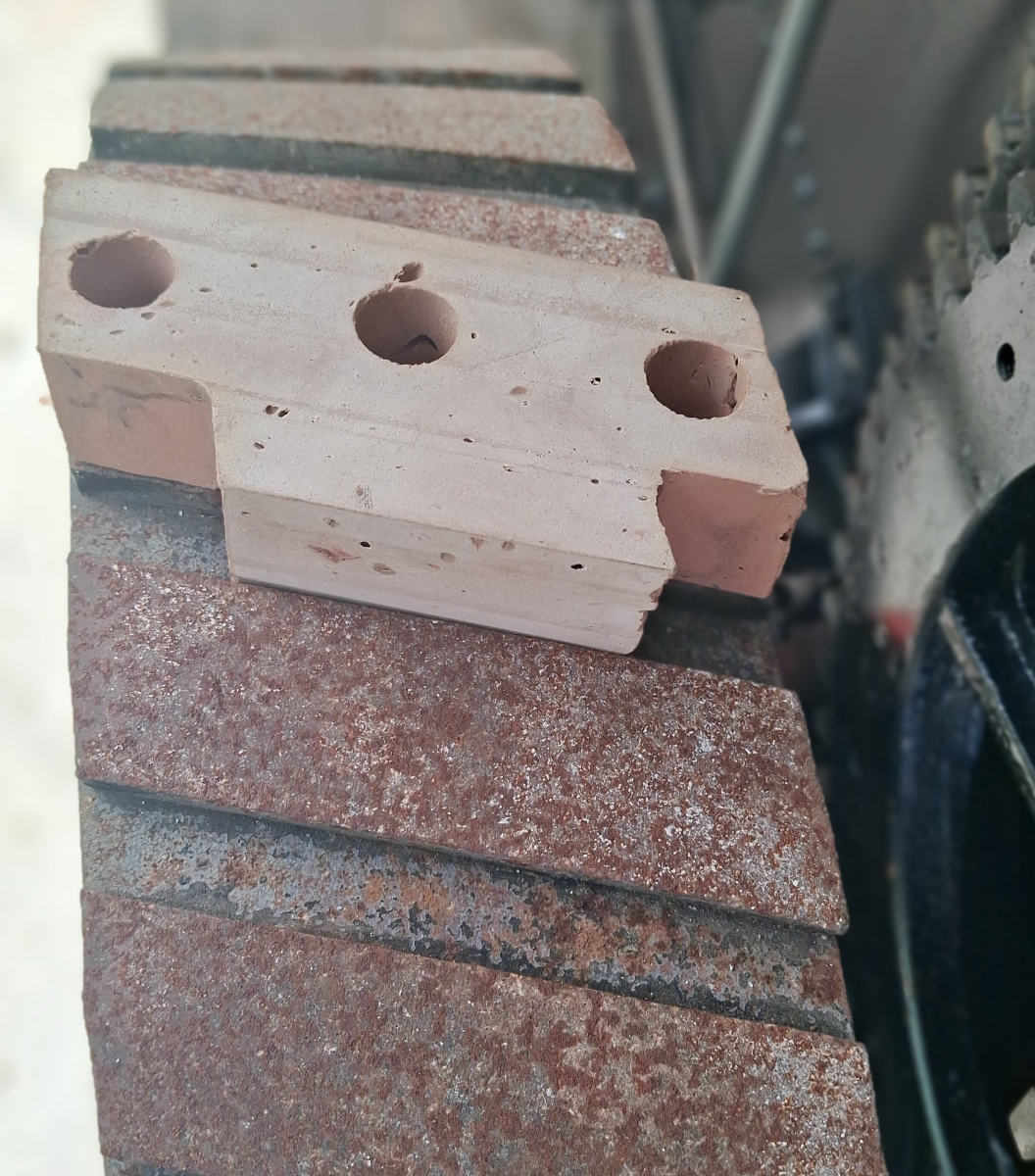
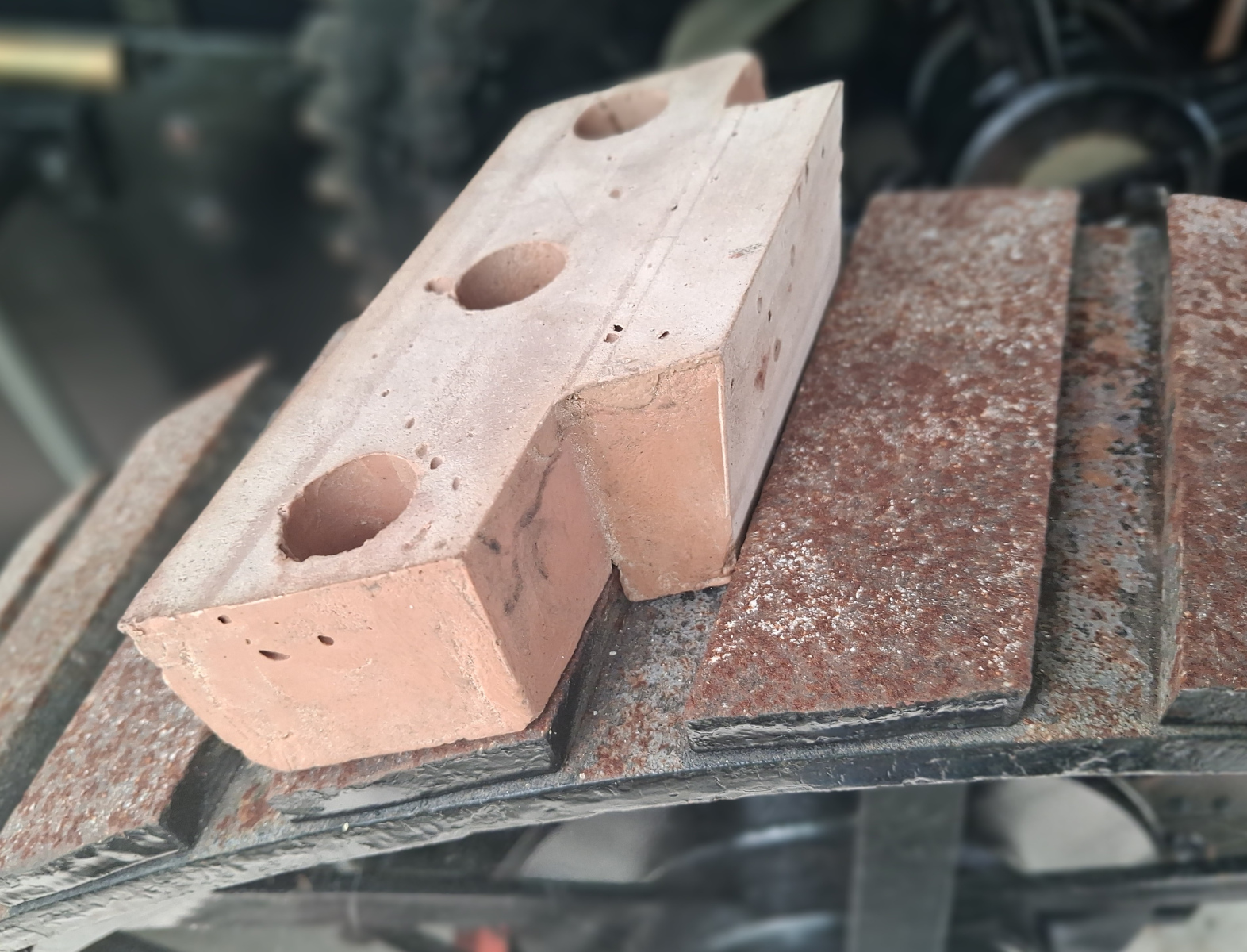
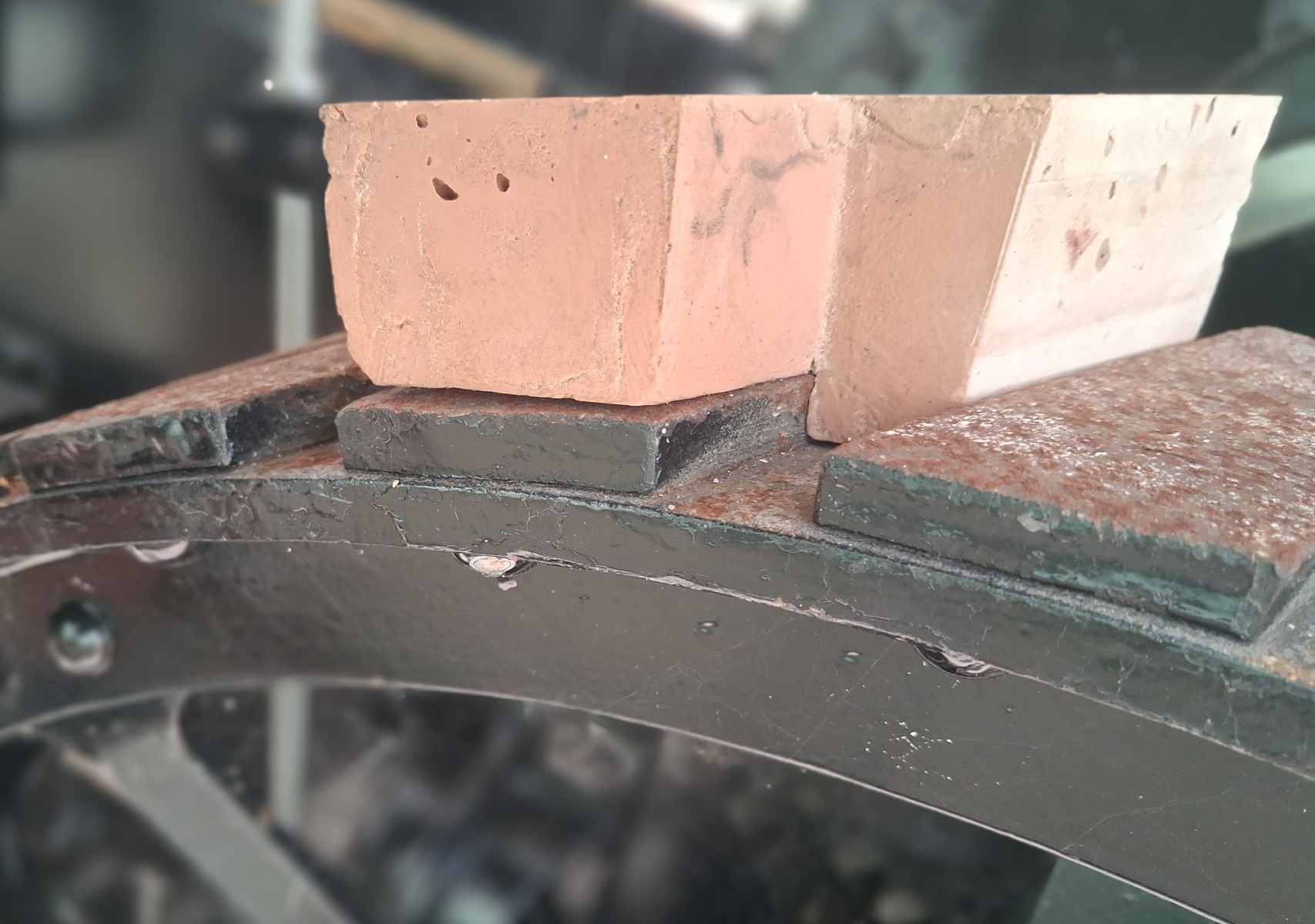
Next some photos of the cast rubber block samples fitted to the strakes of the 6″ Little Samson Traction Engine rear wheel:
What Next? Real Rubber Block Castings?
The sample casting you saw in the photos above was made from polyester resin as used as a car body filler.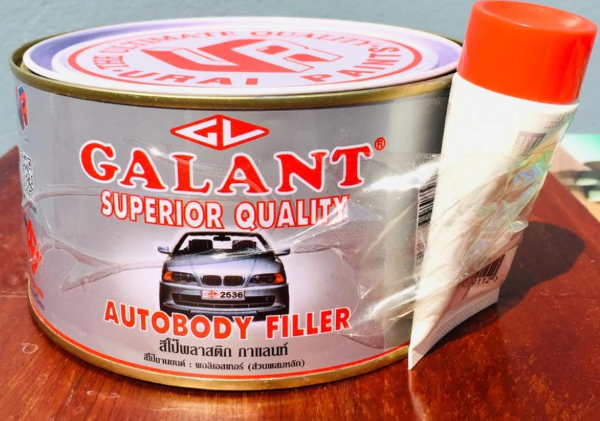
Above Polyester Resin Car Body Filler
Liquid Rubber Cast Rubber Block Strakes
I could make some rubber block strakes using a liquid rubber (see below) but I couldn’t find a supplier of anything like this in Thailand, plus comments from my fellow Little Samson Traction Engine colleagues said that from their experience the ride would still be too rough.
|
Please note that I am not suggesting that this material is suitable – it’s the wrong colour for one thing – but it’s an indication of the type of products available.
PT Flex 70 Liquid RubberPT Flex 70 Liquid Rubber is a two-part, liquid polyurethane system that cures (RTV) to a yellow/amber, Shore A70 rubber. PT Flex Series rubbers were specifically designed for prototyping and model making applications and offer fast pour times (~4 minutes) and fast demold times (~2 hours). 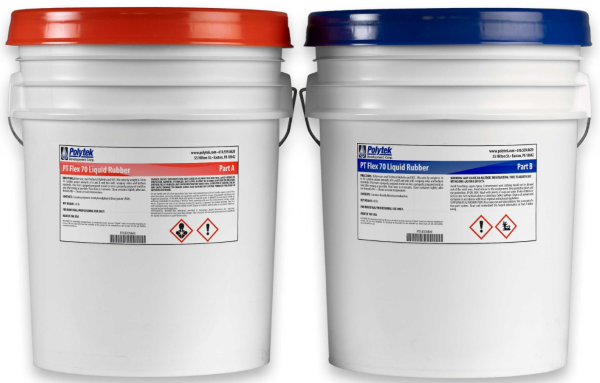 Polytek PT Flex 70 Liquid Rubber |
Back To Sheet Rubber Tyres
I mentioned at the beginning that I had been unable to source sheet rubber here in Thailand and that that had pushed me to go the cast rubber blocks route.
Rubber Sheet Supplier Found
Then I cam across a supplier of rubber sheet on the primary Thai shopping site Shopee.com. Of course I had been looking there before but this was a new addition to the site.
So I placed my Order and the sheet rubber duly arrived. Now I could proceed with CAD drawings for the rubber sheet tyres for my traction engine.
The story continues on the next page “Little Samson Sheet Rubber Tires – Part 1” – “Sheet Rubber Tires for the 6 inch Little Samson Traction Engine – Part 1 CAD”