
Best Adhesive For Fixing Rubber to Rubber and Rubber to Steel
In a previous page I had explained that I intended to use Cyanoacrylate adhesive (‘Super Glue’) to fix the rubber sheet to my traction engine wheels.
Some may doubt the wisdom of using super glue to fix the rubber sheet – maybe expecting perhaps an epoxy to be used.
I know from personal trials that super glue makes a very strong bond between rubber to rubber and rubber to steel. I have made several samples and in destructive tests the rubber tears before the bond is broken.
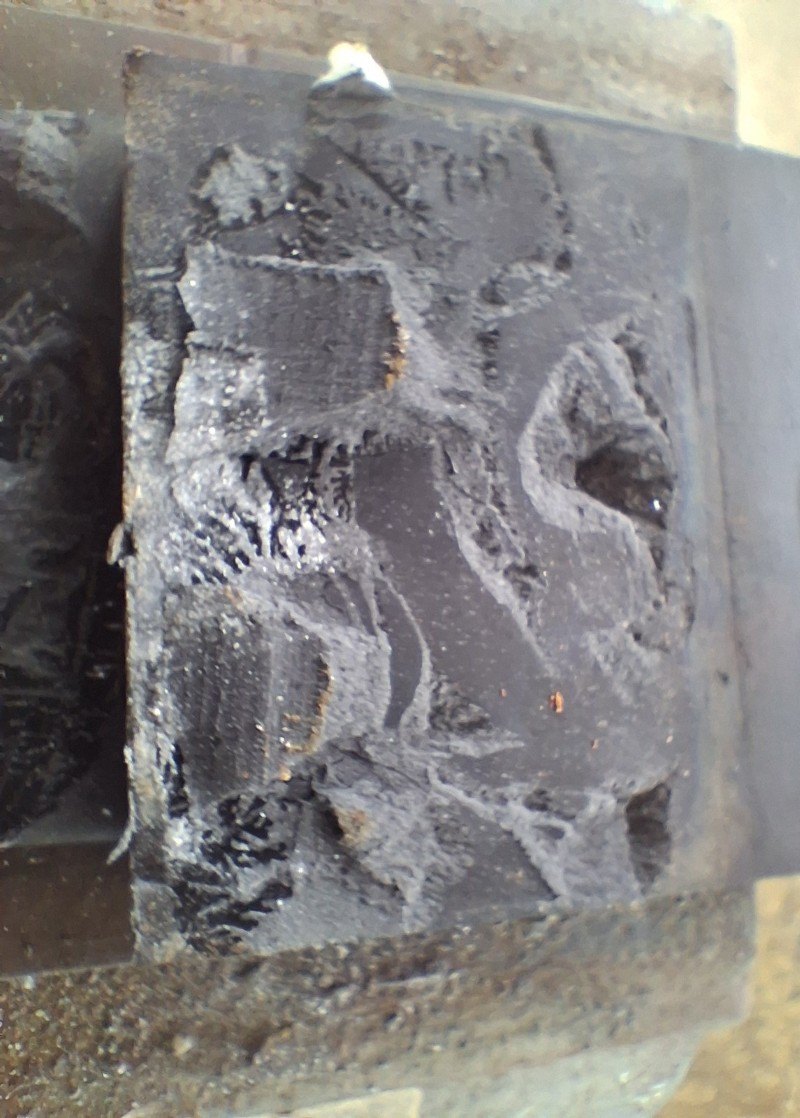
Photos Showing the Destructive Testing of Rubber Glued to Rubber and Steel Using Super Glue:
| To view images below, just click on the image. Then browse through the Gallery using the < and > arrows. Escape to exit. |
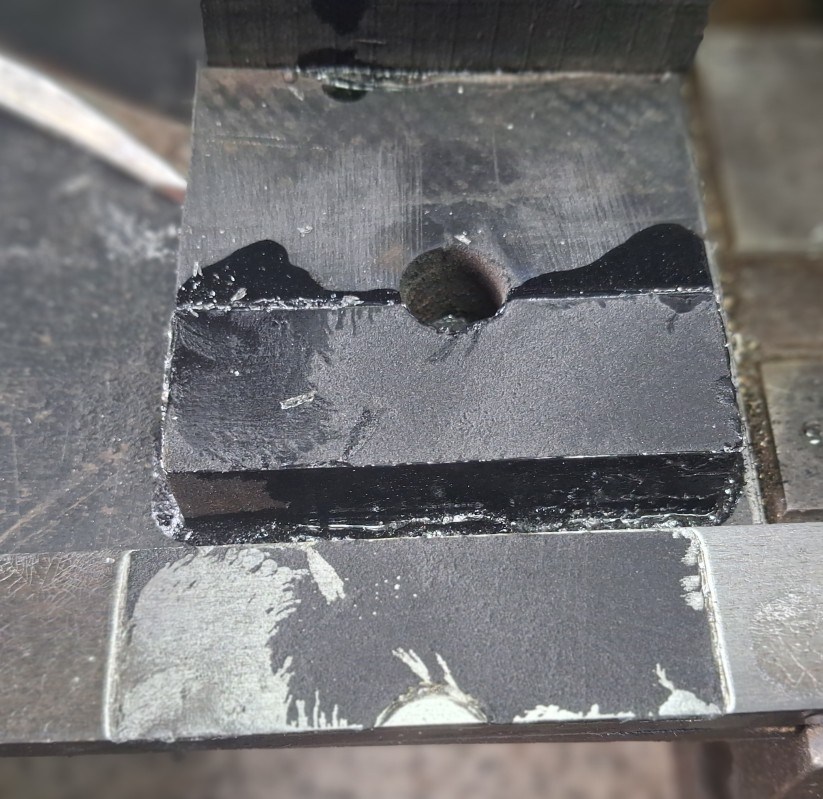
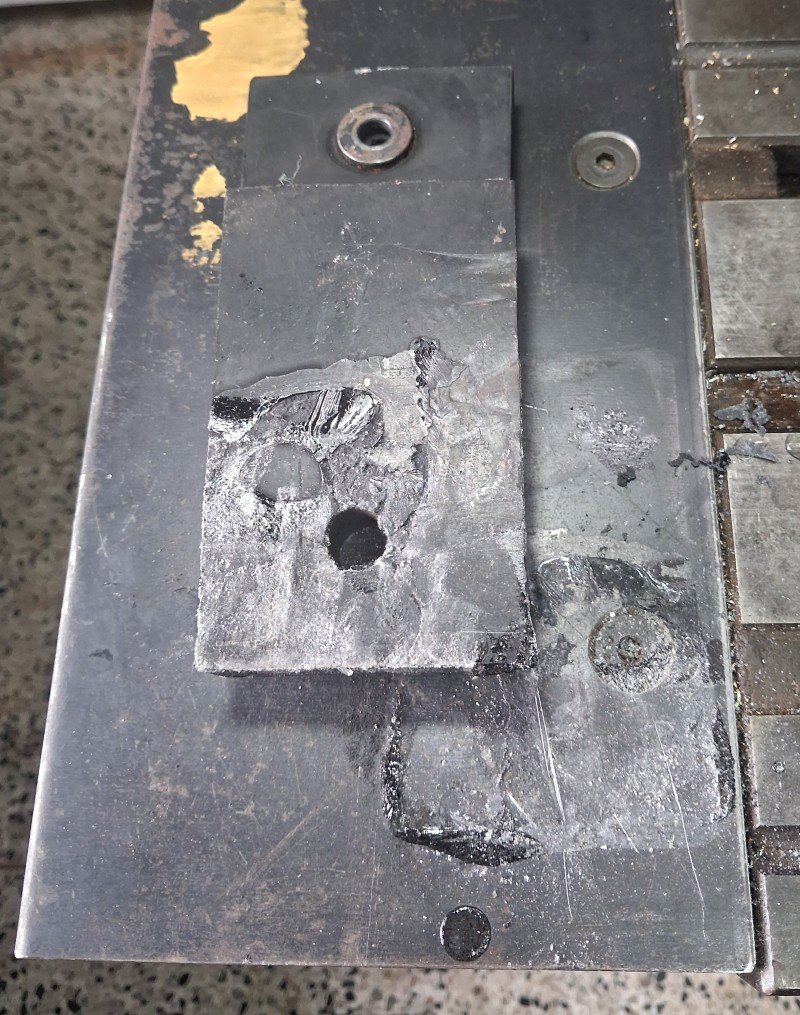
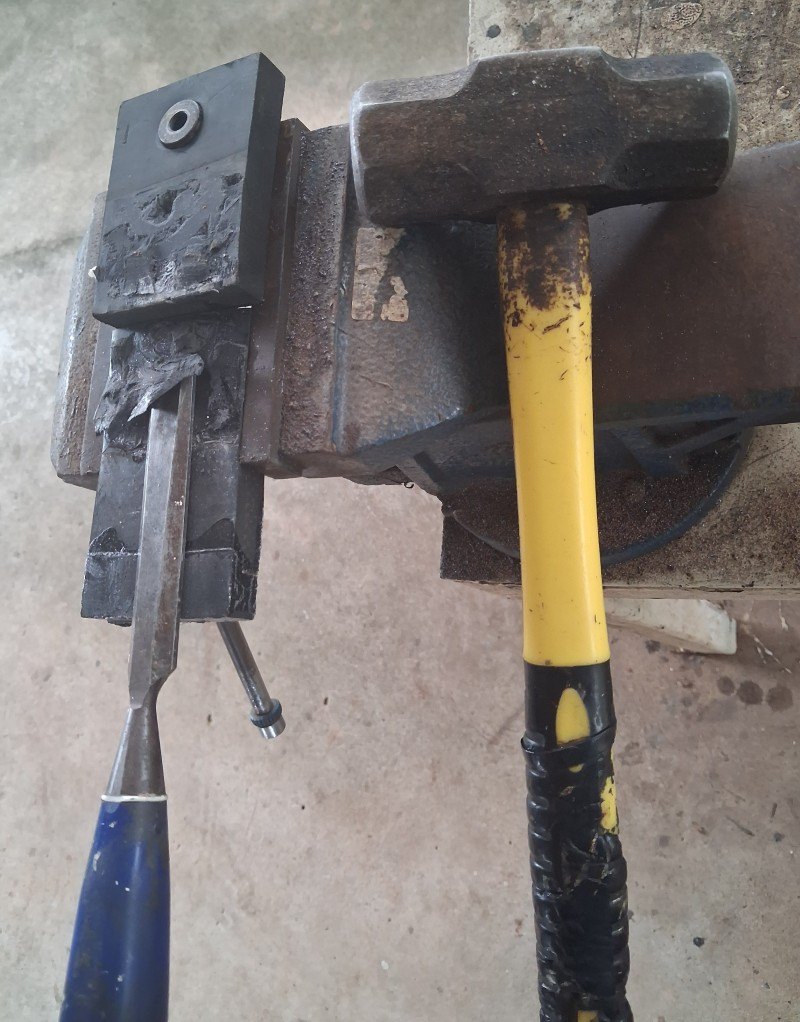
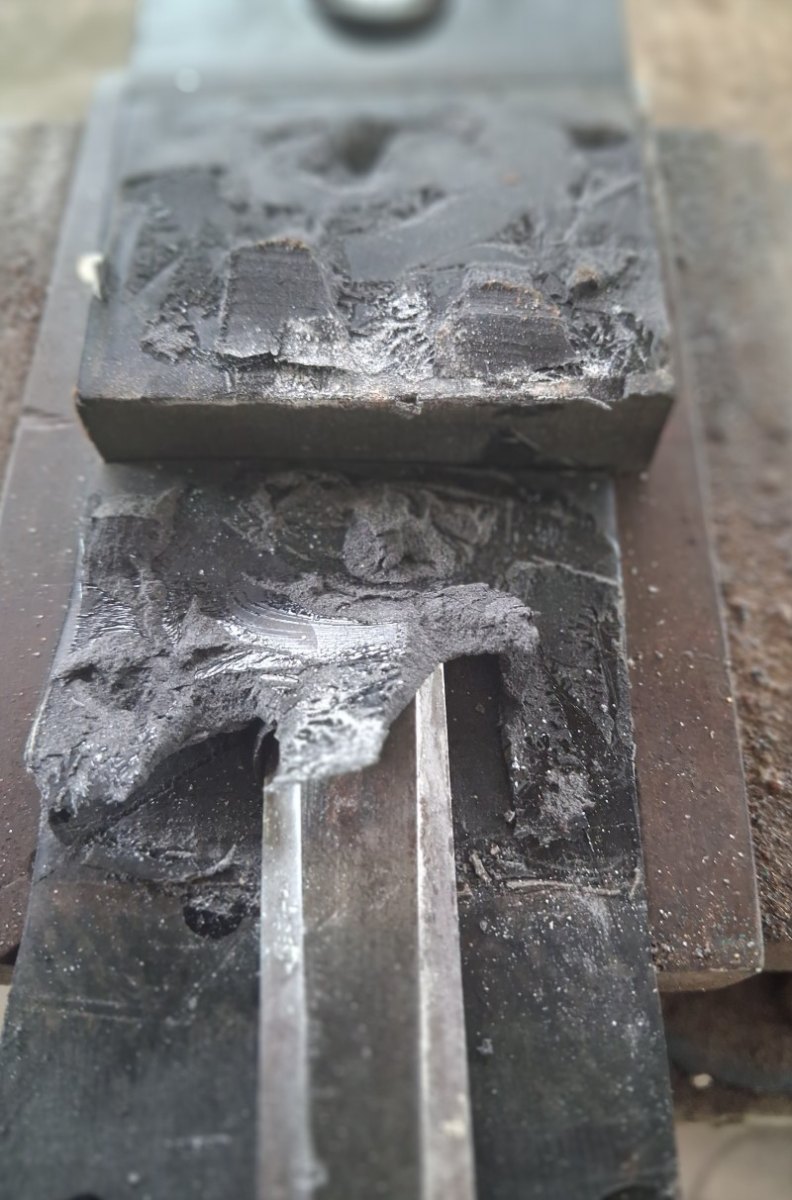
A Narrative to Accompany The Photos in the Gallery above follows below.
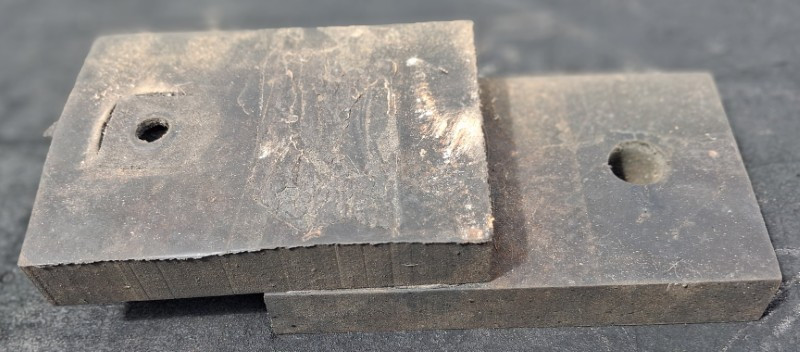
- 01 – Pre Glued Rubber Pieces
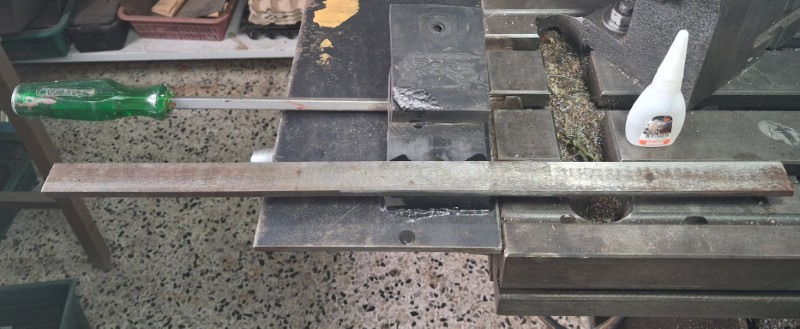
These were glued together using cheap generic superglue several years ago. - 02 – Rubber Pieces Glued to Steel Bar 1
Mild Steel bar glued to the above mentioned rubber pieces, again using cheap generic superglue. - 03 – Rubber Pieces Glued to Steel Bar 2
Closeup of 02 above. - 04 – Cheap Super Glue Used
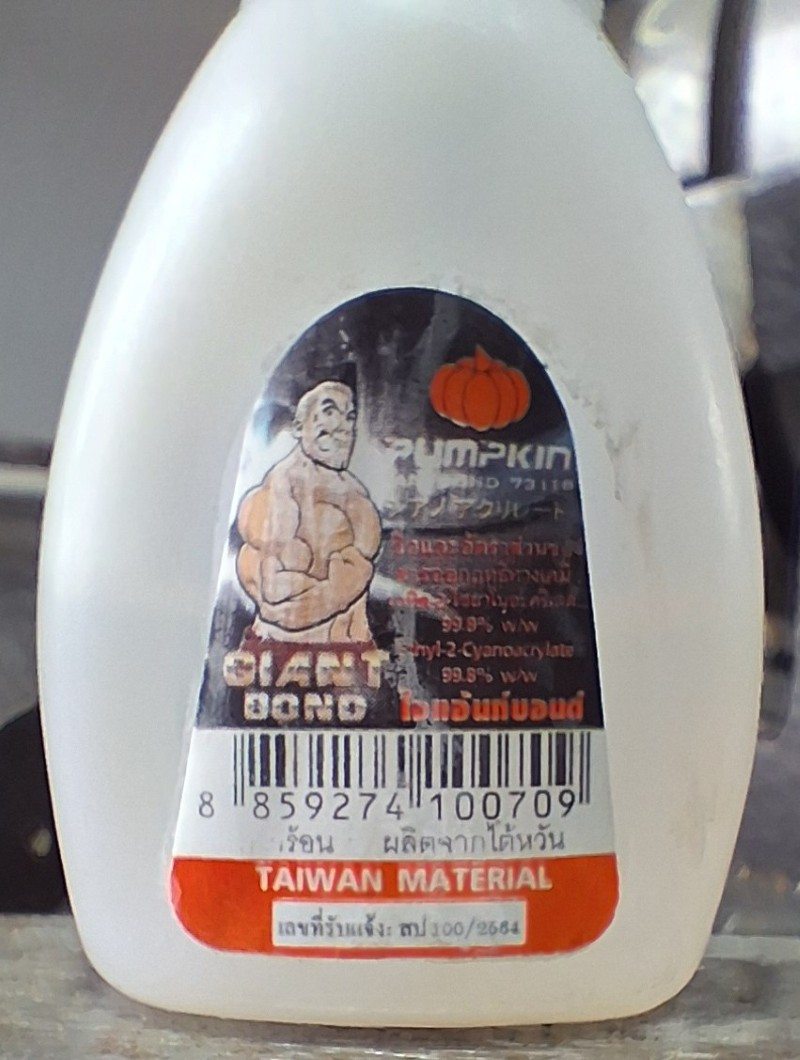
The actual using cheap generic superglue used for the tests. The test pieces were left overnight. - 05 – Steel Bar Separated from Rubber
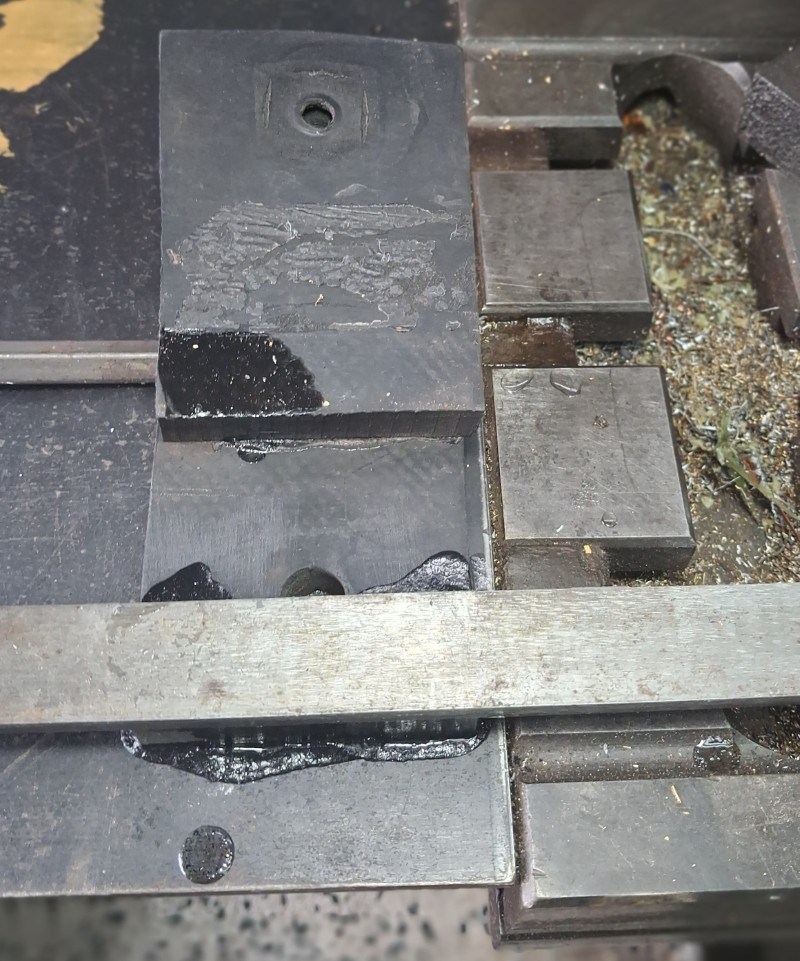
It was not too difficult to separate the steel bar using a twisting action, but note that it is the rubber that sheared – the glue did not fail except in one place that probably hadn’t been adequately cleaned. - 06 – Rubber Separated from Steel Plate
Some superglue had accidentally run down and seeped underneath the rubber pieces and stuck them to the supporting steel plate which had not been cleaned in any way. It was impossible to break this joint and the rubber was separated from the steel using a wood chisel and tearing the rubber. - 07 – Separating Rubber Pieces 1
I attempted to separate the rubber pieces holding one piece in the bench vice. Again, it was impossible to break this joint and the rubber was separated from the steel using a wood chisel and tearing the rubber. - 08 – Separating Rubber Pieces 2
As for 07 above. - 09 – Rubber Pieces Separated
It can be seen that the rubber joint never failed. The rubber pieces were ‘separated’ only by tearing the rubber with the wood chisel.
Further Research To Confirm Best Choice Of Adhesive for Rubber
To reassure myself that superglue was the right choice I did an AI search for “best adhesive to fix rubber to rubber or rubber to steel?” This is what AI returned:-
|
For Small Parts & Quick Fixes: Cyanoacrylates (Super Glues) are the best choice because they cure in seconds and form incredibly tight bonds with both rubber and steel For Large Surfaces & High-Flex Environments: Contact Adhesives (Neoprene/Polychloroprene or Polyurethane based) are superior because they dry into a permanently flexible film that absorbs vibrations and won’t crack when the rubber stretches. This was followed by three Recommended Adhesives as shown in the screenshot below. 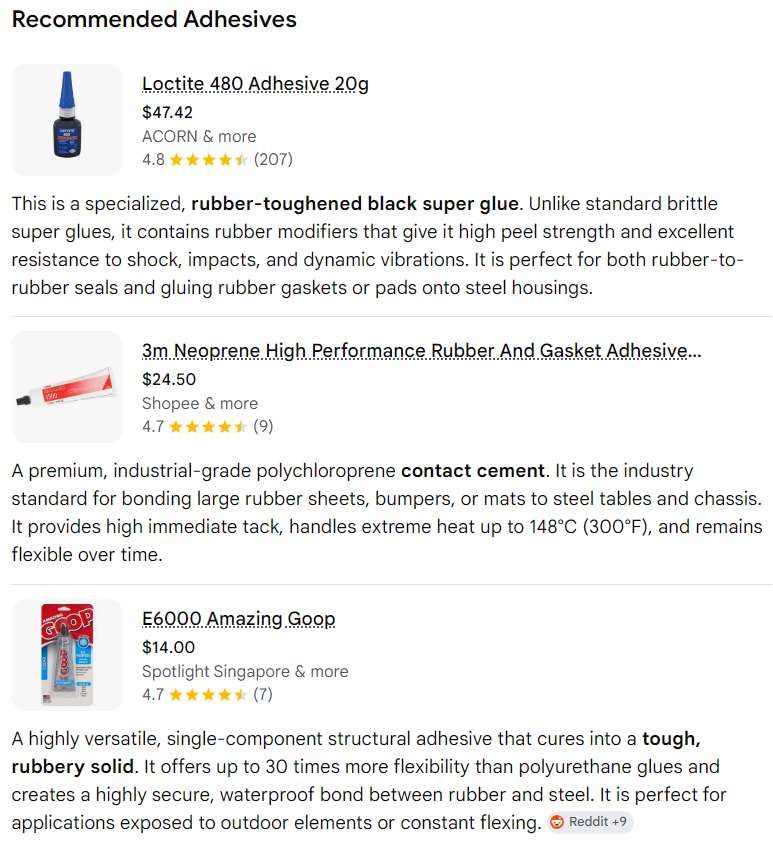 Top Recommended Rubber Adhesives |
Procuct Characteristics
Loctite 480 Adhesive 20g $47.42 ACORN & more This is a specialized, rubber-toughened black super glue. Unlike standard brittle super glues, it contains rubber modifiers that give it high peel strength and excellent resistance to shock, impacts, and dynamic vibrations. It is perfect for both rubber-to-rubber seals and gluing rubber gaskets or pads onto steel housings.
3M Neoprene HP Rubber Adhesive 1300 $24.50 Shopee & more A premium, industrial-grade polychloroprene contact cement. It is the industry standard for bonding large rubber sheets, bumpers, or mats to steel tables and chassis. It provides high immediate tack, handles extreme heat up to 148°C (300°F), and remains flexible over time.
https://shopee.co.th/product/21741925/22719209760
E6000 Amazing Goop $14.00 Spotlight Singapore A highly versatile, single-component structural adhesive that cures into a tough, rubbery solid. It offers up to 30 times more flexibility than polyurethane glues and creates a highly secure, waterproof bond between rubber and steel. It is perfect for applications exposed to outdoor elements or constant flexing.
Power Rubber Website
This site has an article “How to Effectively Bond Rubber to Rubber and Other Materials” (The company is in Poland)
This is an extract from the website:-
Best Adhesive for Rubber-to-RubberThe top choice is cyanoacrylate adhesive (commonly known as “Super Glue”). Just a small amount will create a strong, fast-setting rubber bond.
Best Adhesive for Rubber-to-MetalUse polyurethane adhesives or 2-component adhesives for flexible and durable bonds. Rubber to Wood, Rubber to Plastic, Rubber to Leather, Rubber to Fabric, Rubber to Concrete are also covered on the website but are not relevant to our application. |
Is Super Glue (Cyanoacrylate) The Best To Fix Rubber Sheet To Steel Traction Engine Wheels?
Based on the above advice and my own tests there is no doubt that Super Glue (Cyanoacrylate) provides and excellent bond between rubber/rubber and rubber/steel.
However that 3M Neoprene High Performance Rubber And Gasket Adhesive seems to offer flexibility which is a feature not promoted by super glue.
On the other hand it is formulated specifically to be used with Neoprene whereas my rubber is natural rubber, not neoprene.
Cost Analysis Super Glue V 3M High Performance Rubber Adhesive
Another aspect to be considered is the cost. The 3M product is offered in Thailand at Shopee for 392 THB (about £9 or 10 Euro) for a 148ml tube. Say 2.65 THB/ml.
https://shopee.co.th/product/21741925/22719209760
Loctite 480 Adhesive from the same website is 488 THB/20g bottle. 20g ~ 20ml, so the cost is 24 THB/ml.
https://shopee.co.th/product/315312285/19010352660
Generic superglue (e.g. Elephant Brand) is 269 THB per 10 bottles = 27 THB/20g bottle. https://shopee.co.th/product/285806292/29128522540
Loctite 480 Adhesive is therefore 9 times more expensive per ml than 3M and 18 times more expensive than generic superglue!
How Much Superglue Is Needed?
An internet search enquiry “What is a typical thickness of super glue when applied to a surface and still wet?” returned the following information:-
|
When applied to a surface as a standard, wet liquid drop, super glue (cyanoacrylate) typically spreads out to a wet film thickness of 0.05 mm to 0.15 mm (50 to 150 microns). Source: https://pmc.ncbi.nlm.nih.gov/articles/PMC5905340/ |
Assuming 1 ring on each front wheel and 2 rings on each rear wheel the total surface area of rubber to be glued is estimated to be 2.2 m2, 2,200,000 mm2.
Therefore the quantity of superglue required is 0.15 X 2,200,000 = 330mm3. (330ml)
Final Cost Comparison for Sheet Rubber Adhesives
- Loctite 480 at 488 THB/20ml bottle = 330 / 20 = 16.5 bottles
Total Cost = 17 X 488 THB = 8,298 THB (£362, 398 Euro) - 3M Neoprene at 392 THB/148ml tube = 330 / 148 = 2.23 tubes
Total Cost = 3 x 392 THB = 1,176 THB (£51, 56 Euro) - Generic Superglue at 27 THB/20ml bottle = 330 / 20 = 16.5 bottles
Total Cost = 17 X 27 THB = 459 THB (£10.5, 11.6 Euro)